Exhibitions
Bed doesn’t ask questions
Bed doesn’t judge you
Bed is just warm and soft
Bed is always there for you
Bed is nice
Chantal Akerman · Anne Glassner · Naked Space · Anastasiia Pishchanska (shelestvetrovki)
Curated by Estela Ortiz & Juan Evaristo Valls Boix
GRANOLLERS
Cinema Edison
Carrer Joan de Camps I Giró, 1
From October 16 to November 30
Hours
-
Monday from 6:00 pm to 9:00 pm
-
Friday from 6:00 pm to 9:00 pm
-
Saturday from 5:00 pm to 10:30 pm
-
Sunday from 6:00 pm to 9:00 pm
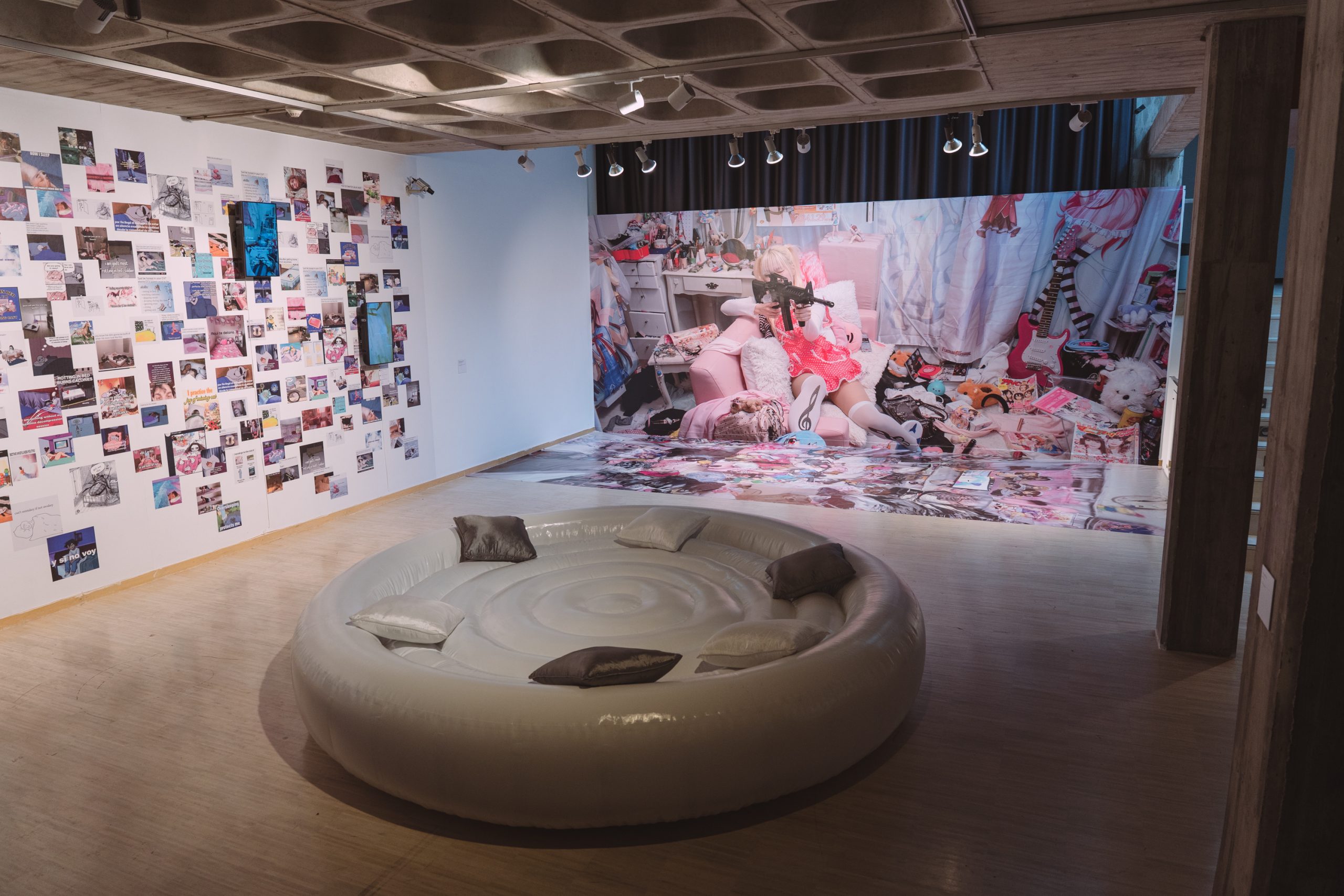
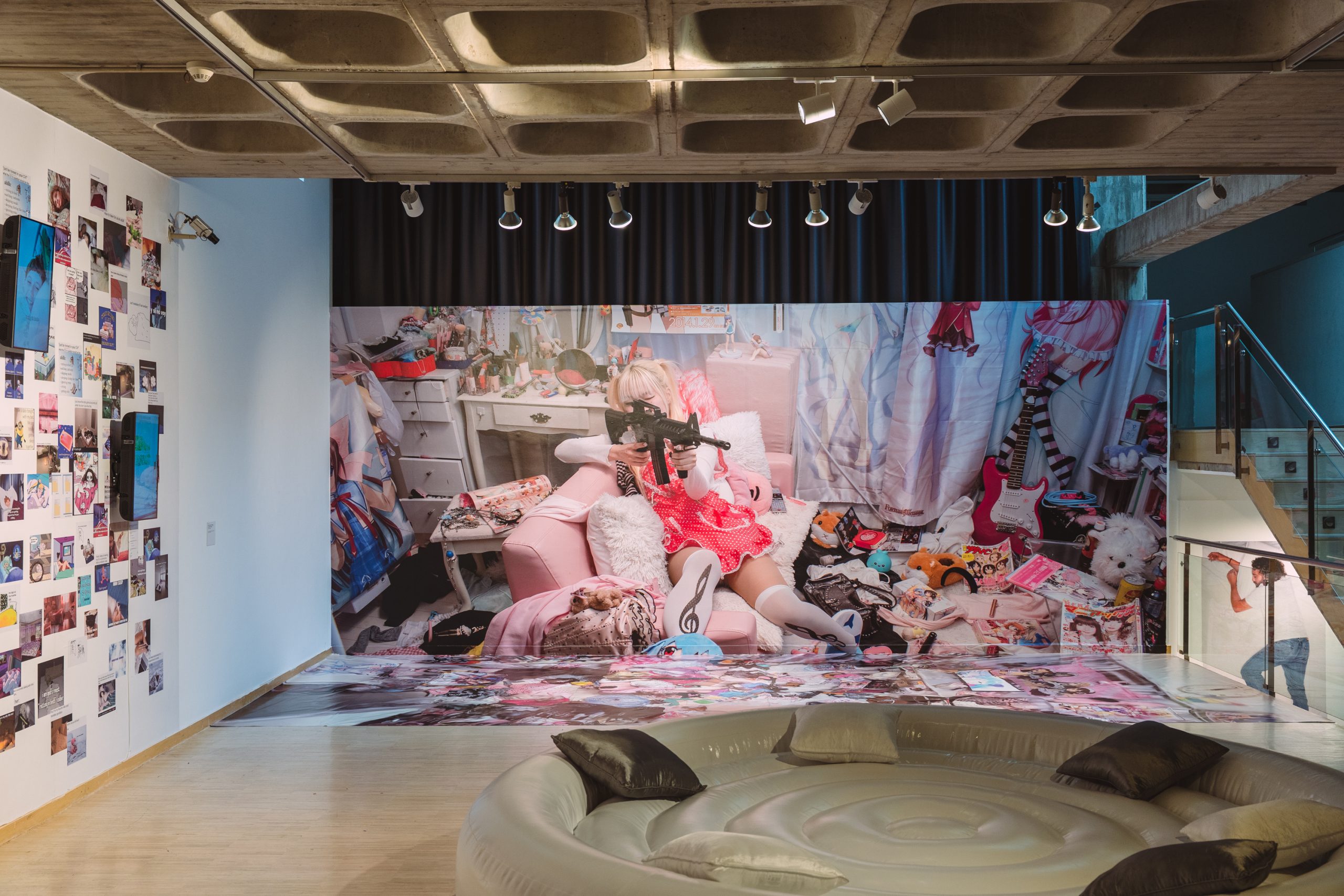
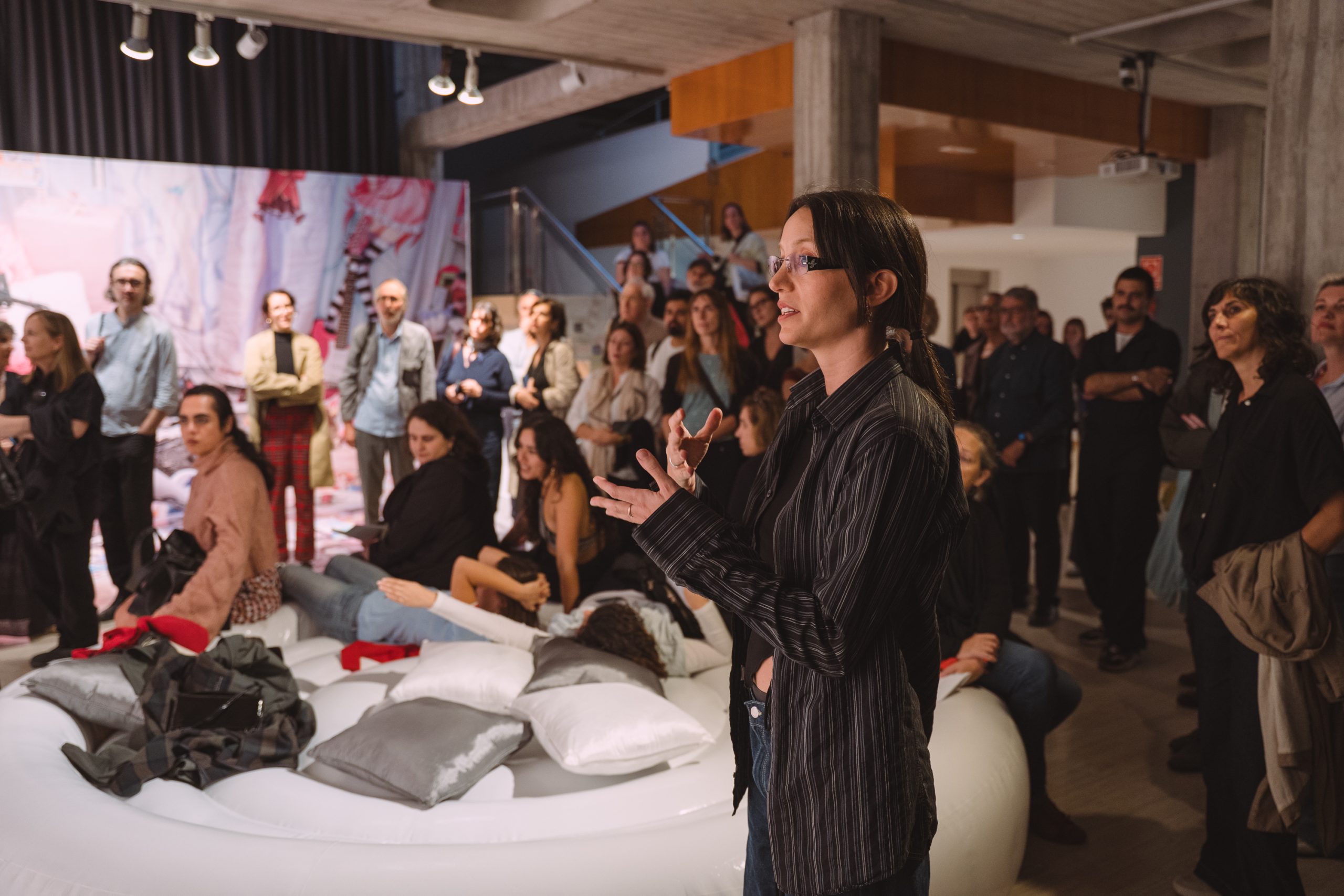
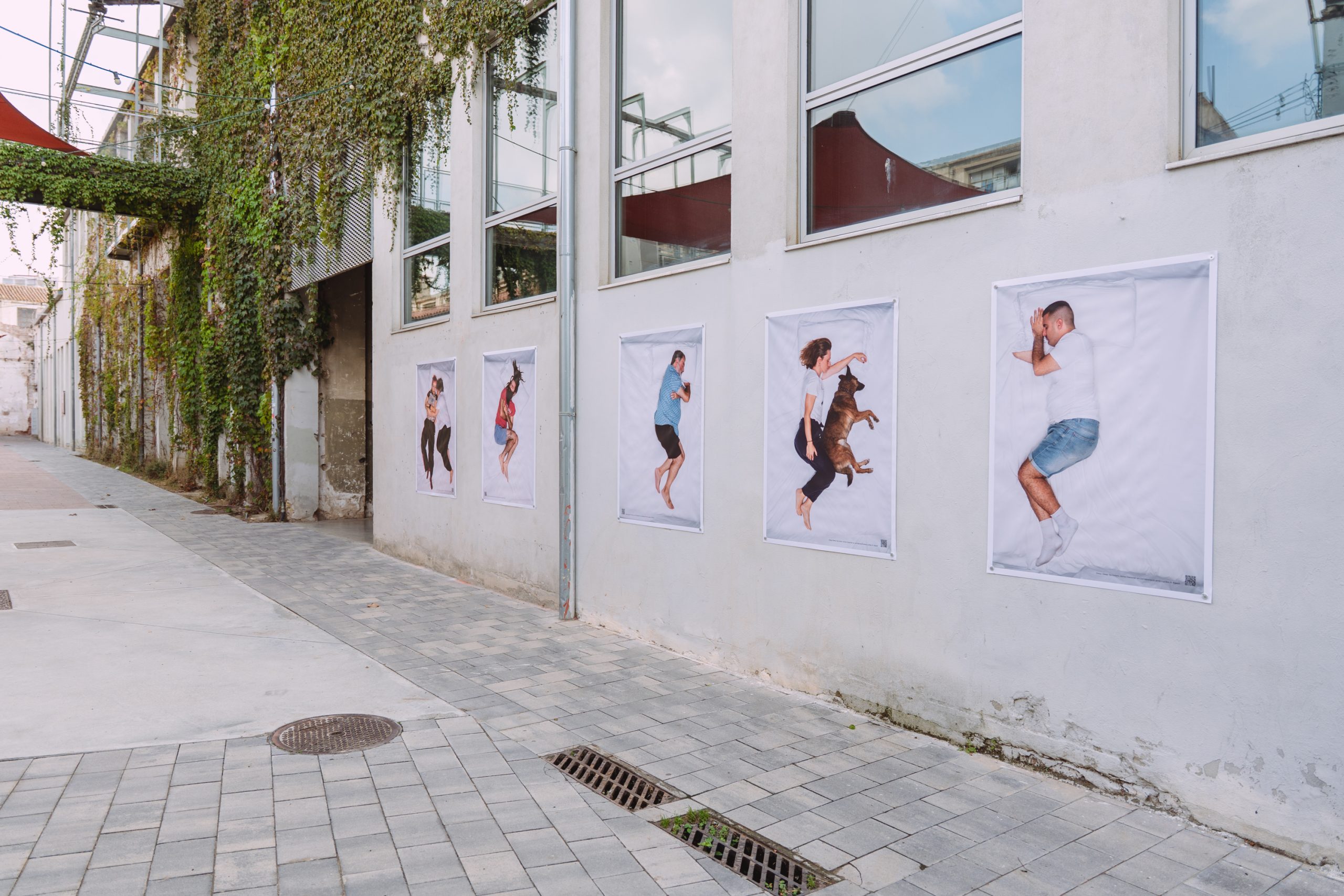
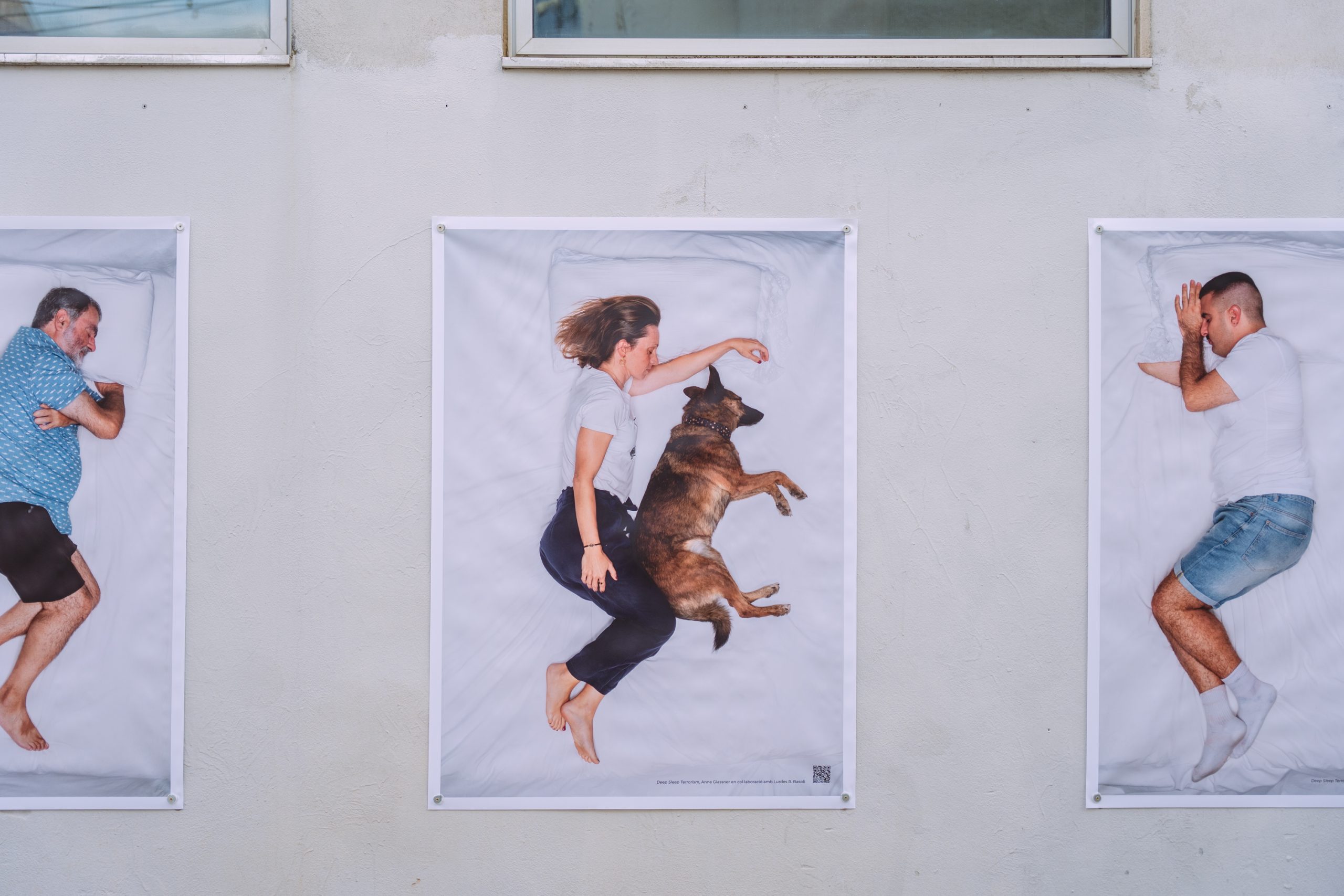
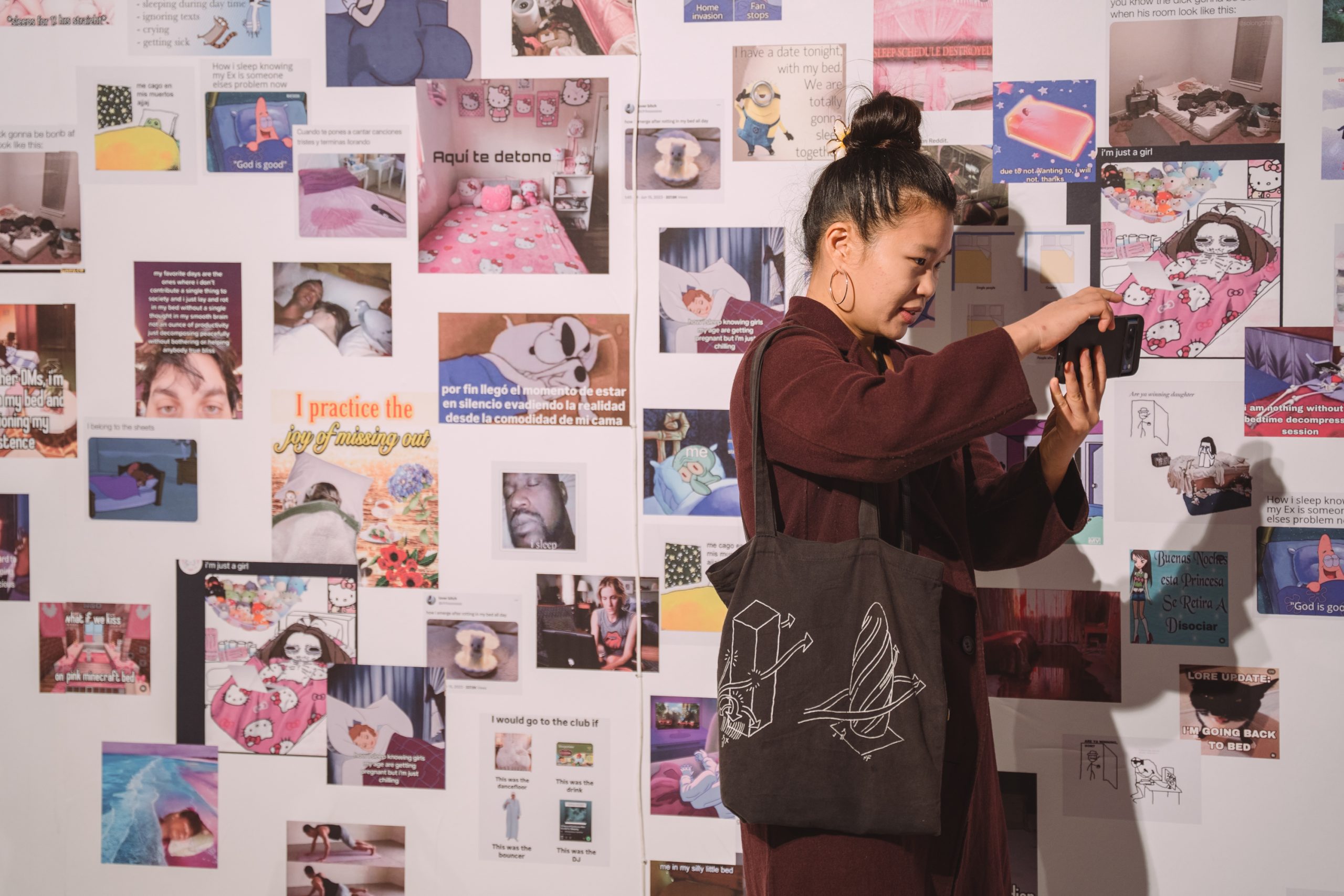
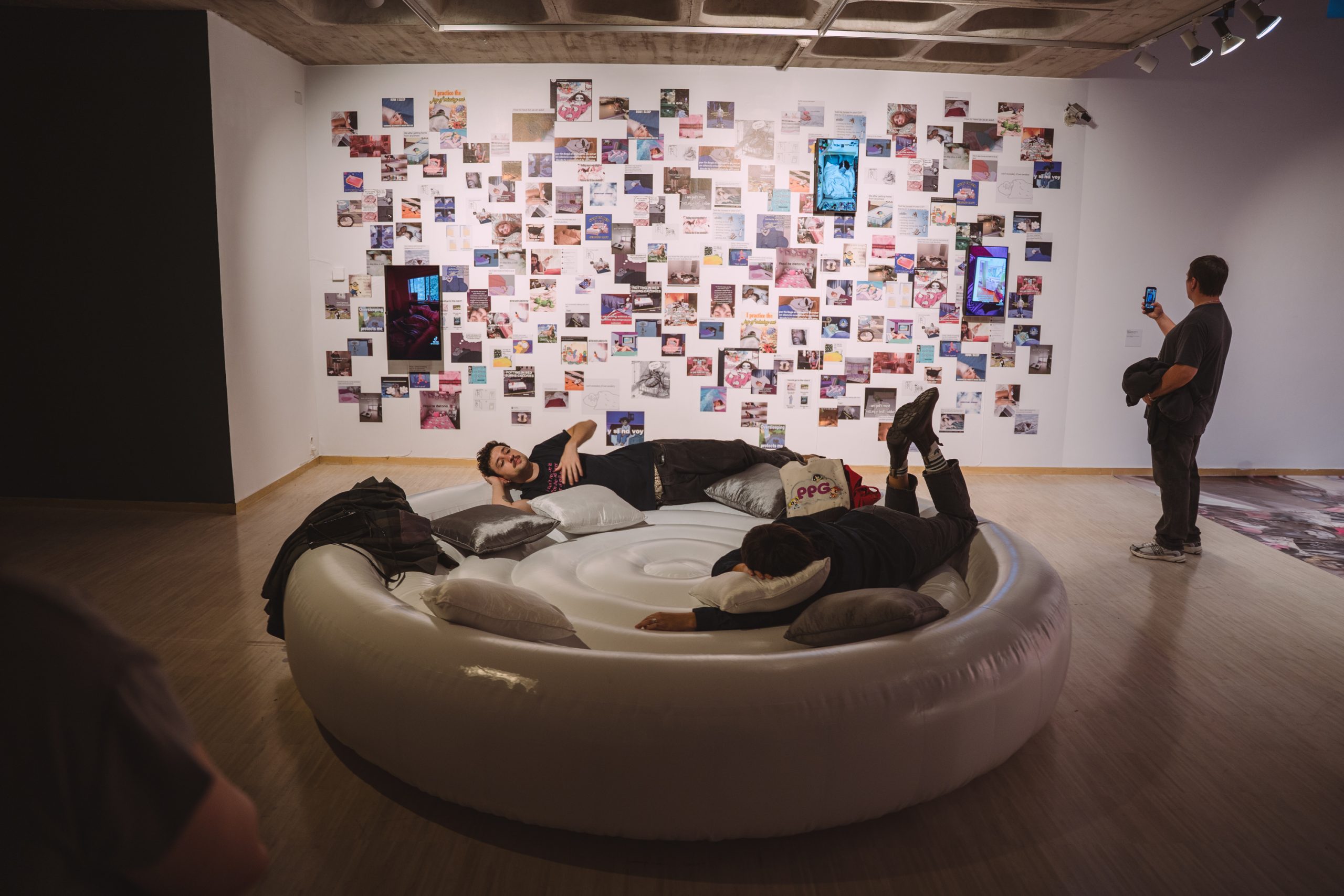
The exhibition reflects on rest, centering on the bed and the private room, taking Chantal Akerman’s La chambre as its point of departure. Through a dialogue between artistic works and memetic expressions from recent years, this group show explores which bodies have access to rest and highlights the public dimension of practices that, at first glance, appear to be private.
In the contemporary world, the imperatives of work infiltrate our beds and encroach upon our intimacy, while idleness and pause too often remain privileges accessible to only a few. For this reason, a sleeping body today stands as a radical image of freedom—yet also the most elusive: the embrace of time without purpose.
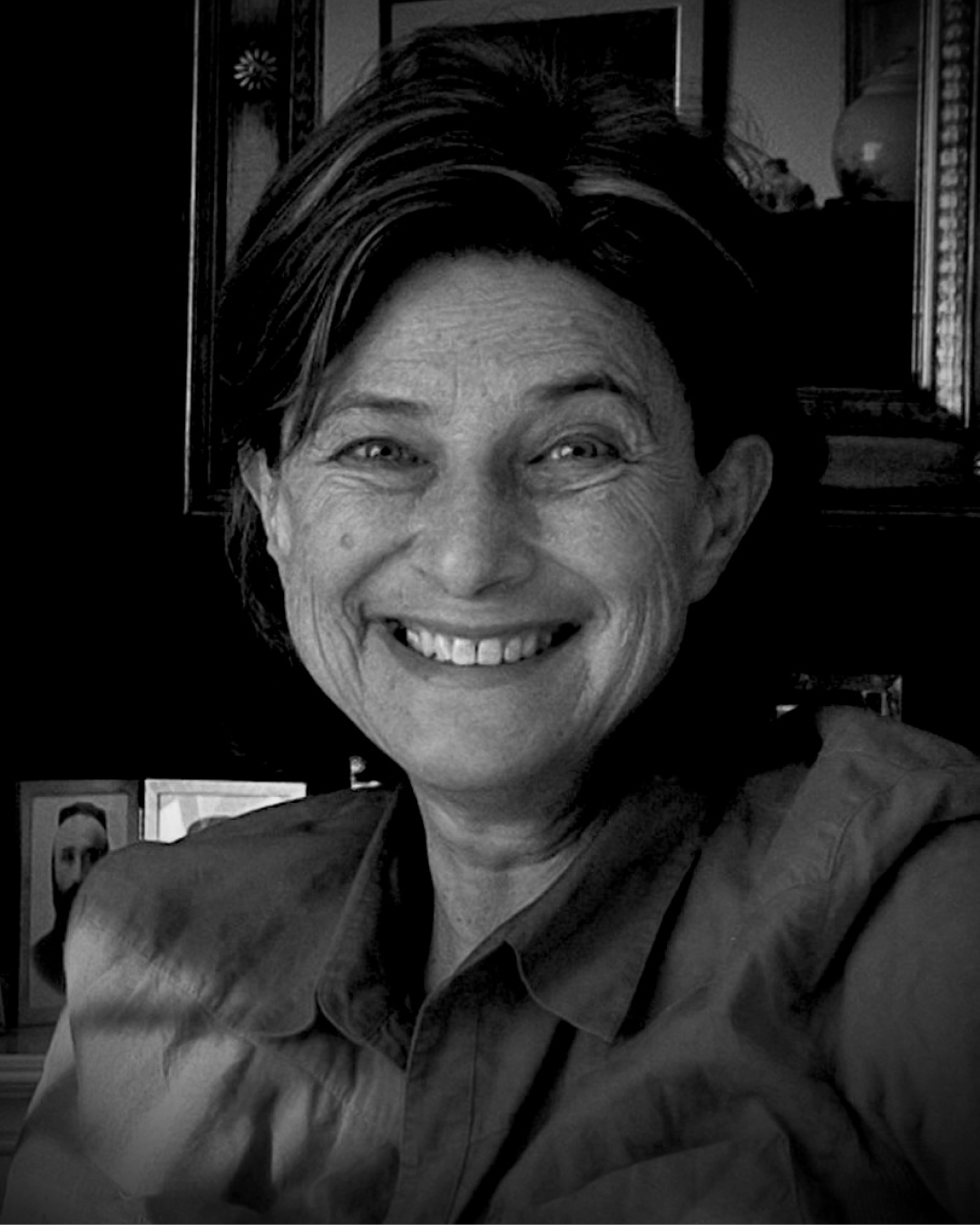
Chantal Akerman
Chantal Akerman (1950–2015) was a Belgian filmmaker, widely recognized as a pivotal figure in feminist and avant-garde cinema. Her work explored everyday life, time, and space, while challenging traditional narrative conventions. Her film Jeanne Dielman, 23 quai du Commerce, 1080 Bruxelles (1975) is regarded as a landmark in feminist cinema for its portrayal of the silent oppression of women within domestic routine. Throughout her career, she experimented with video installations and documentaries, addressing themes of identity, exile, and memory. Akerman transformed the cinematic language, inspiring generations of filmmakers to rethink cinematic perception and storytelling.
Anna Glassner
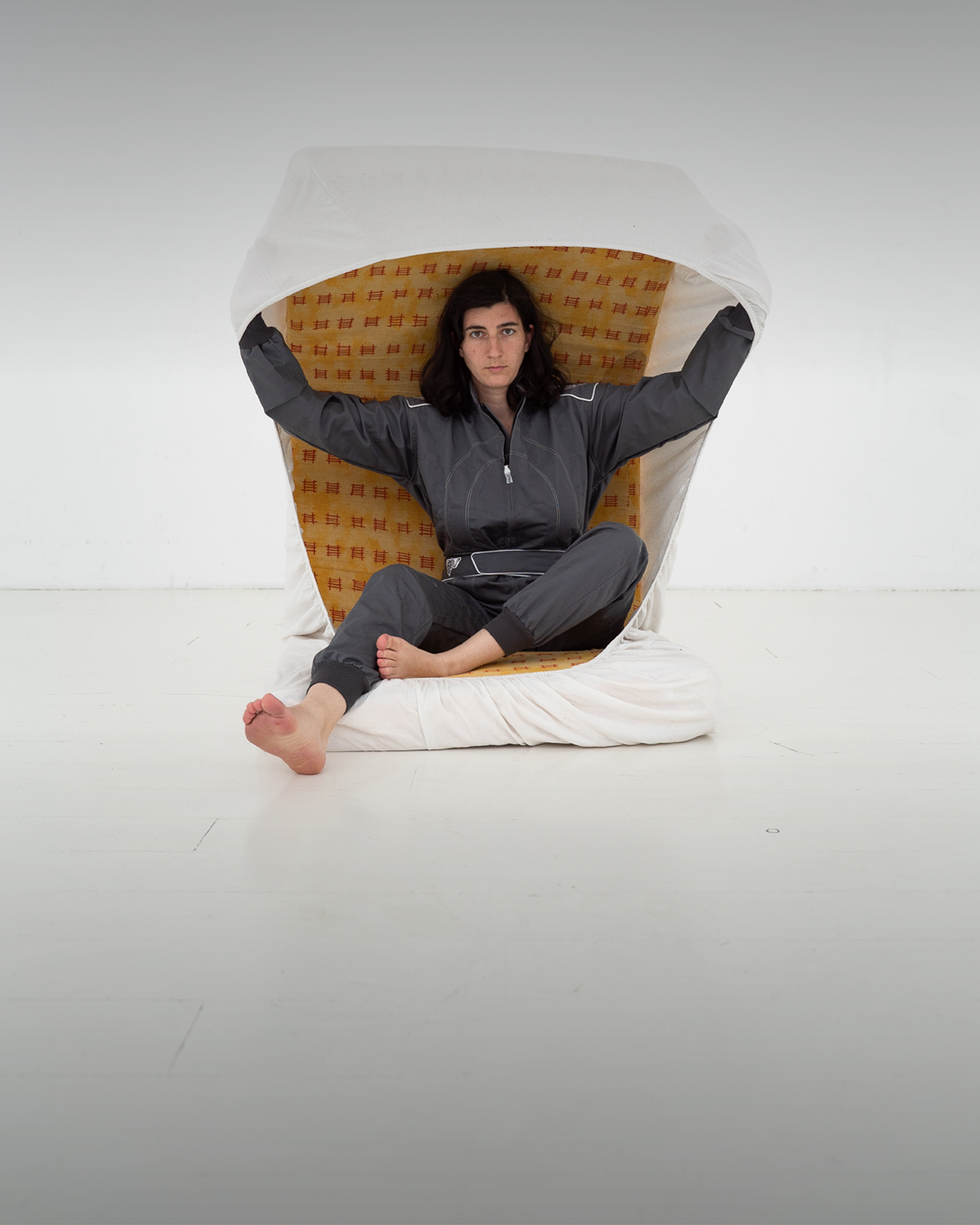
Anne Glassner is a Vienna-based visual artist and performer whose practice—spanning performances, videos, installations, and drawings—emerges from a meticulous observation of everyday, recurring actions, reimagined through a conceptual and poetic lens. For several years, sleep has been a central focus of her artistic research, manifested in her “sleep performances,” in which she exposes herself to being observed while sleeping in unusual locations, and in her “collective naps,” conceived as shared artistic experiences.
Her work has been exhibited in Austria, Germany, Denmark, Italy, Latvia, southern Taiwan, and Turkey, and she has undertaken residencies in Latvia, Denmark, Lithuania, Armenia, and the Czech Republic. Over the course of her career, she has collaborated with sleep researchers, psychologists, and artist-researchers.
Naked Space
NAKED SPACE is a collective of multidimensional artists and creatives, built on the foundational logic of equivalence: migrating across contexts and shaping empathy between humanity and spatiality. It moves as an open boundary, navigating tangible creativity through modes of art, design, and culture in public and social spheres. Their practice draws on installations, gestures, texts, bodies, images, and disappearances to propose a space without fixed physical form—revolutionary yet delicate, deeply interconnected and culturally attuned.
What they construct is not merely structure, but condition: an environment where creativity, empathy, and cultural diversity are not only celebrated but are essential. They foster encounters that reclaim space—in public, in private, on the skin. This practice transcends tolerance or representation, advancing instead toward a shared sensitivity, a genuine appreciation of the richness each culture brings to the collective field.

Estela Ortiz
Estela Ortiz (Terrassa, 1988) holds a degree in Political Science and an advanced diploma in Art from Escola Massana. A cultural analyst and communicator, her work focuses on feminism, digital culture, and contemporary narratives. She has contributed to radio, with a daily segment on Els Experts at iCat.fm covering topics on feminism, current affairs, and culture, as well as appearances on Catalunya Radio and Radio4. As a podcaster, she hosts Club de Serias on Radio Primavera Sound, where she analyzes iconic series from a critical and generational perspective. On her YouTube channel, she produces video essays dissecting cultural phenomena ranging from Shrek and the Y2K era to cryptobros.

Anastasiia Pishchanska (shelestvetrovki)
Anastasiia Pishchanska (shelestvetrovki) is a Ukrainian director, screenwriter, and interdisciplinary artist. She is currently based in Tokyo, where she relocated following the Russian invasion. Her work explores themes such as teenage femininity, digital identity, Soviet decolonization, and the aesthetics of disorder, through the lens of brainrot culture, poststructuralist theory, and cyberfeminism. Drawing on dystopian social phenomena, she investigates how femininity, surveillance capitalism, and emotional expression are constructed and represented across both online and offline spaces.
Her practice spans film, photography, 3D, and performance, and has been presented in Kyiv, Berlin, Paris, Athens, Bucharest, Montreal, Lviv, and Tokyo. She is cofounder and curator of Local Gr0up, an independent Ukrainian art collective and magazine focused on contemporary experimental visions. She is currently developing her first feature-length documentary on Ukrainian Gen Z in the context of cyberwar, while also organizing film screenings in Tokyo to connect the artistic scenes of Ukraine and Japan.

Juan Evaristo Valls Boix
Juan Evaristo Valls Boix is a Professor of Philosophy of Culture at the Complutense University of Madrid. His research focuses on the politics of desire, imaginaries of idleness, and the rejection of work within the framework of late capitalism, with a particular interest in contemporary French philosophy and the theory of affects. He is a member of the research teams “Post-Foundational Contemporary Thought” and “Contemporary Aesthetics.”
Among his publications are the essays Giorgio Agamben: Politics Without Work (Gedisa, 2020), Metaphysics of Idleness (NED Ediciones, 2022), Suely Rolnik. Decolonizing the Unconscious (Herder, 2024), and The Right to Beautiful Things (Ariel, 2025).