Exhibitions
Open Panoràmic
Marina Baldina · Laura Baigorri · Marta Bisbal Torres · Beatrice Moumdjian · Mònica Porta · Ignasi Prat Altimira · Benedetta Ristori · Kenneth Russo · Polina Schneider
Curated by Pilar Cruz
GRANOLLERS
Roca Umbert Fàbrica de les Arts
Espai d’Arts – Carrer d’Enric Prat de la Riba, 77
From October 16 to November 30
Hours
-
Friday: 5:00 pm – 8:00 pm
-
Saturday: 11:00 am – 2:00 pm and 5:00 pm – 8:00 pm
-
Sunday: 11:00 am – 2:00 pm
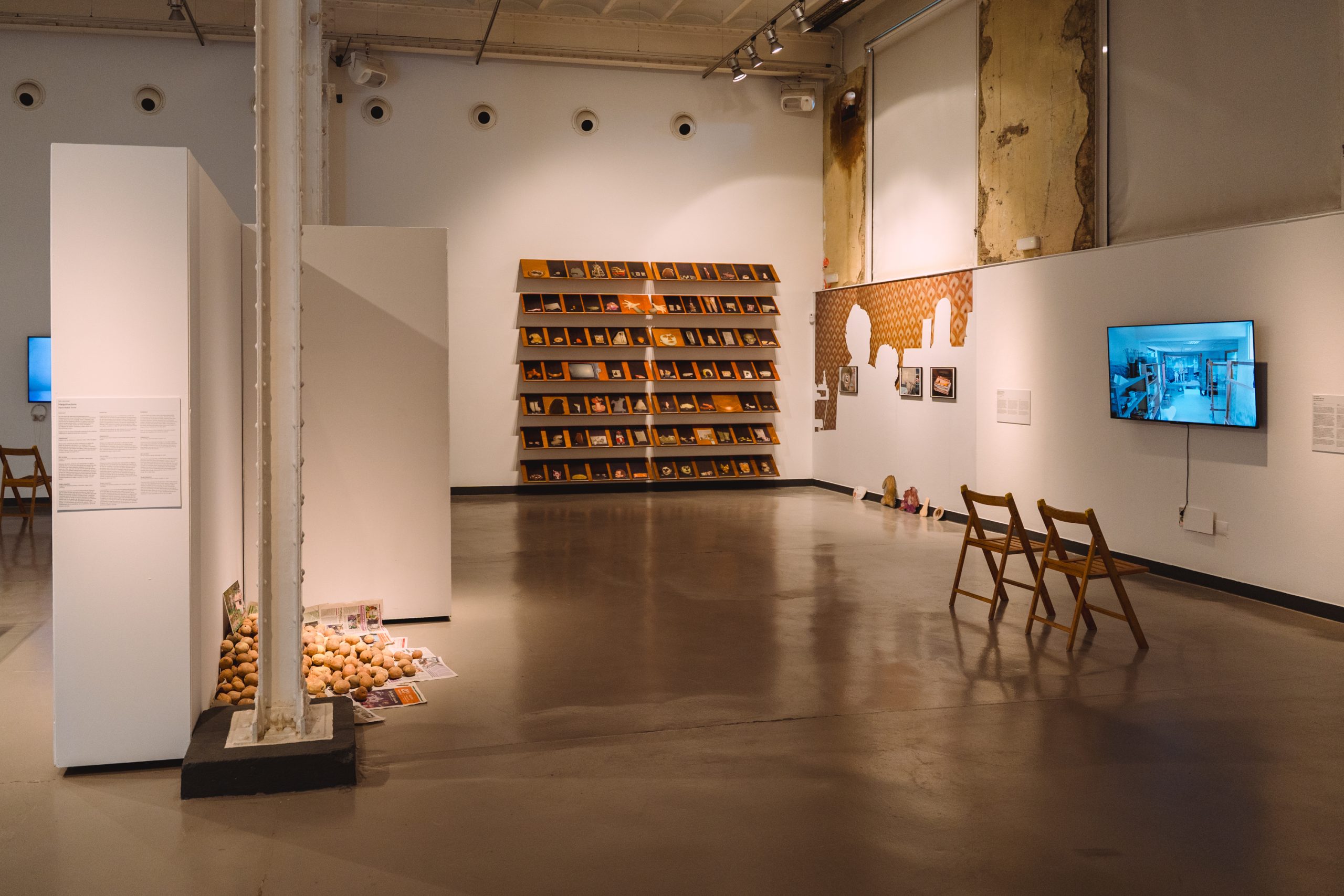
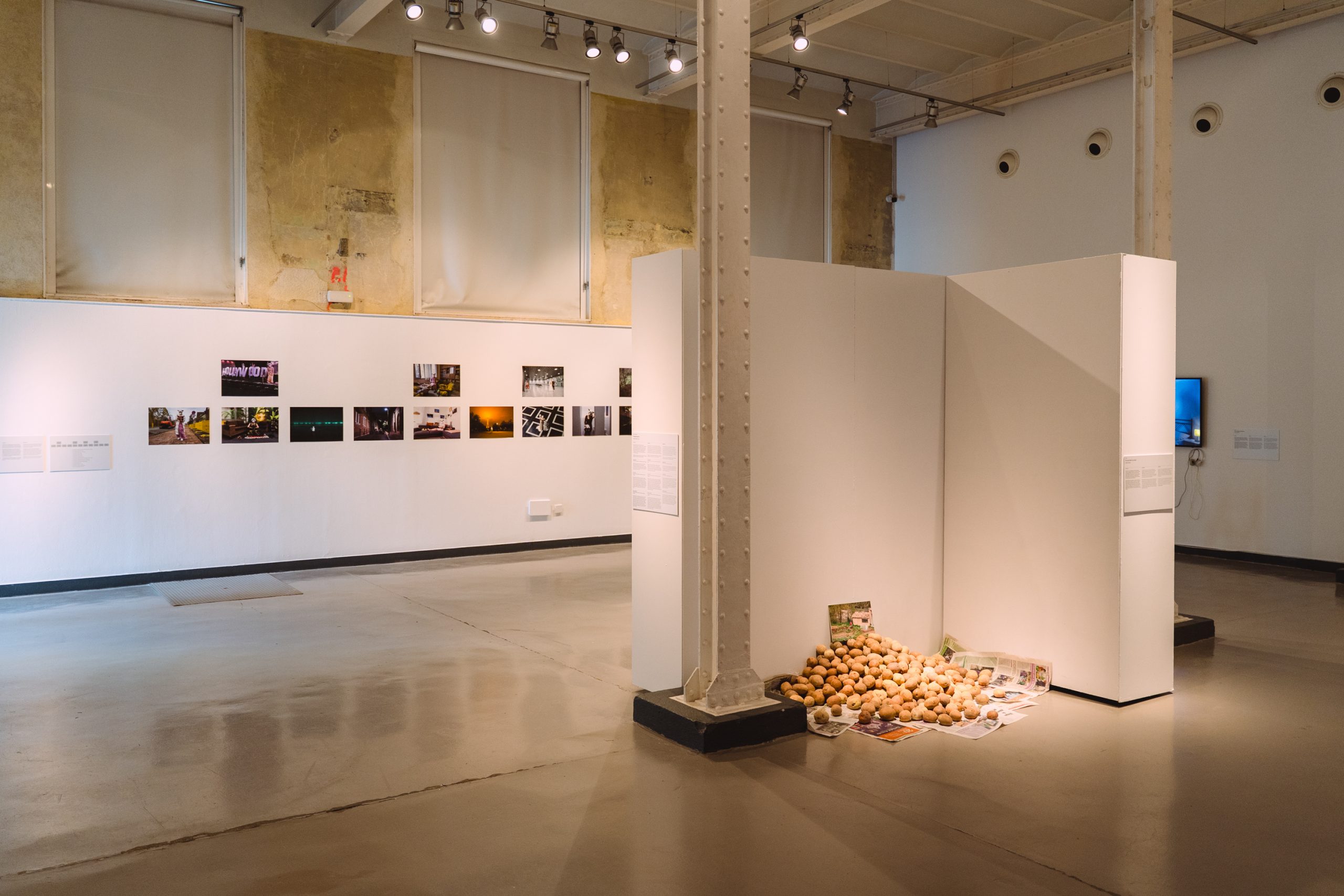
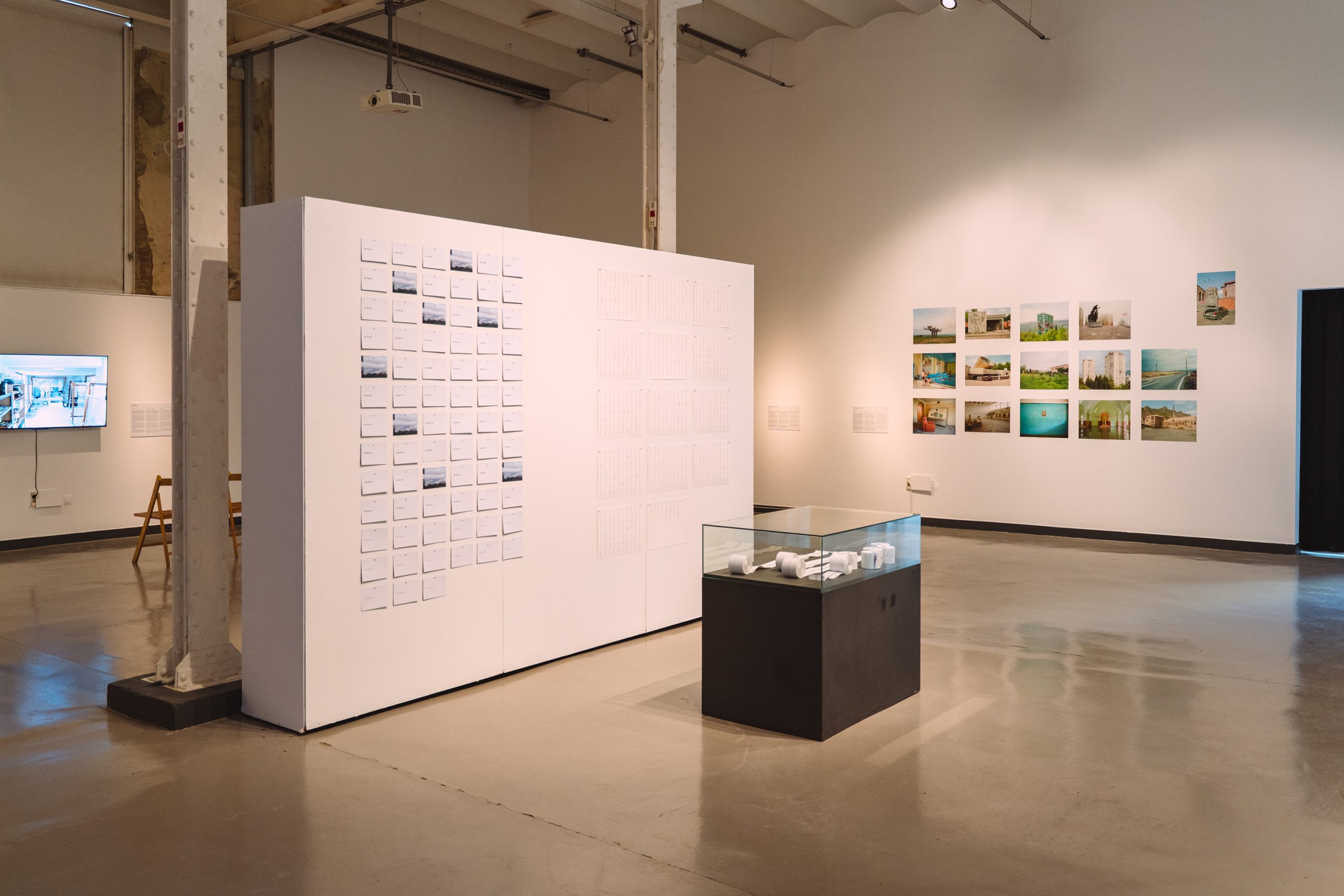
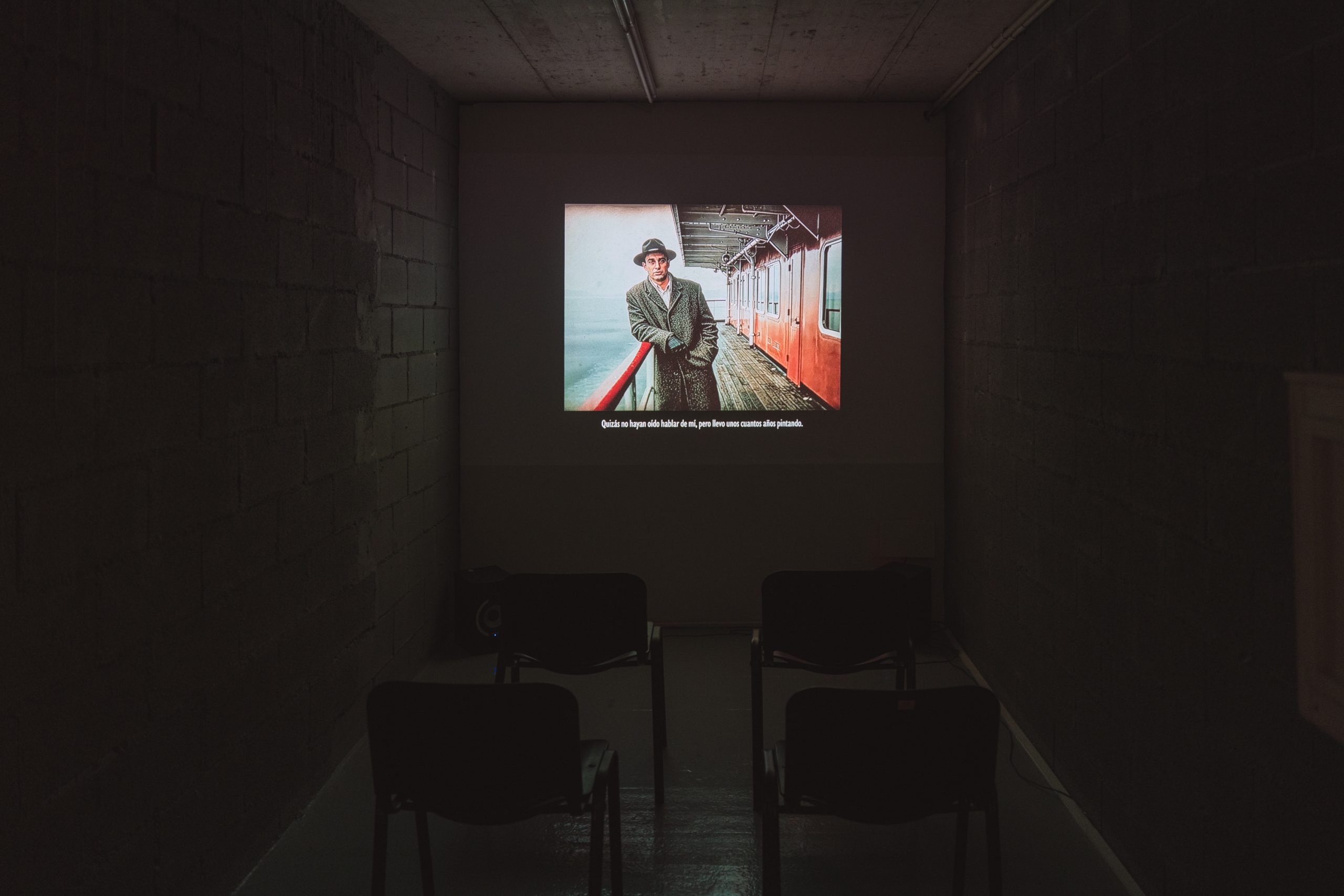
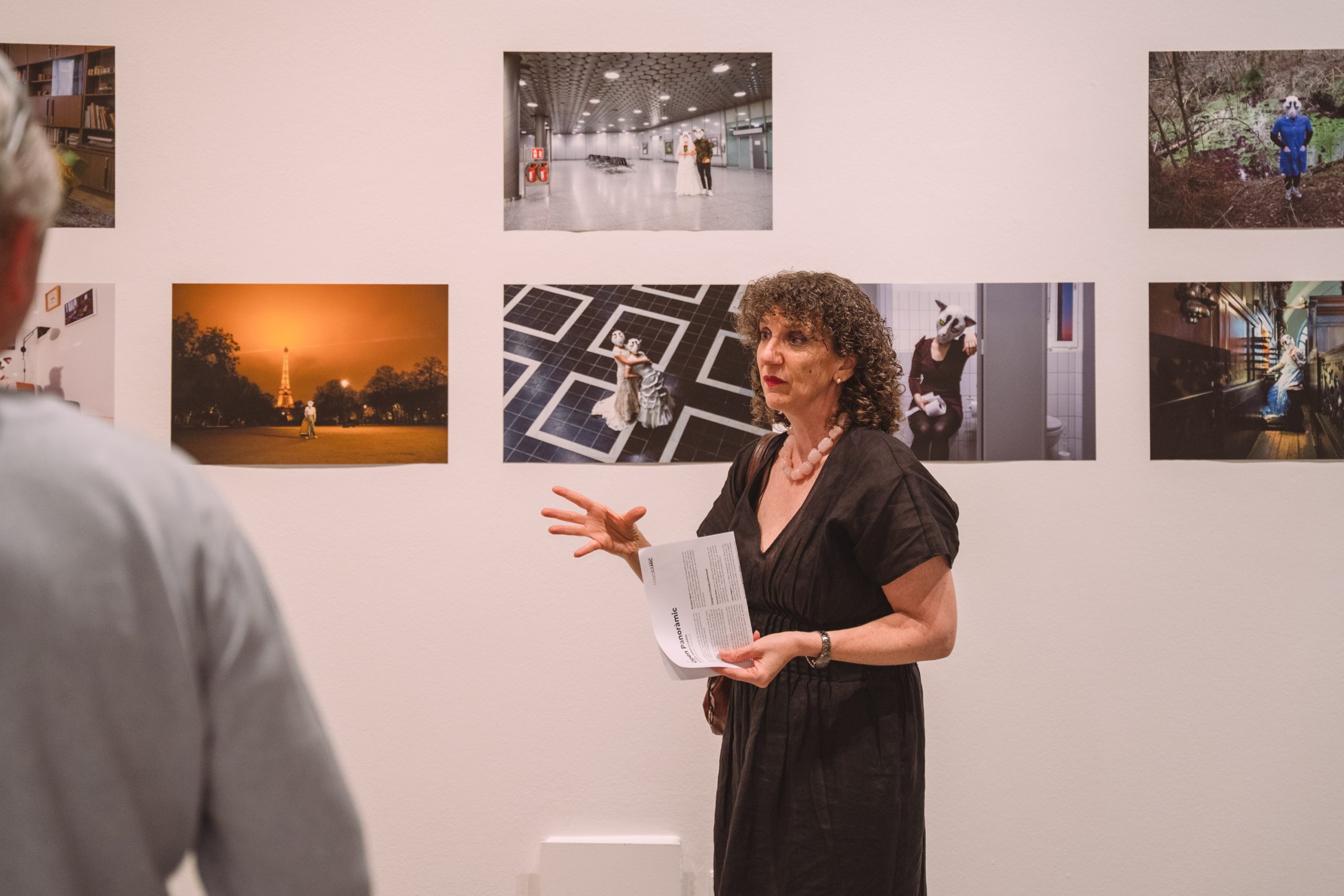
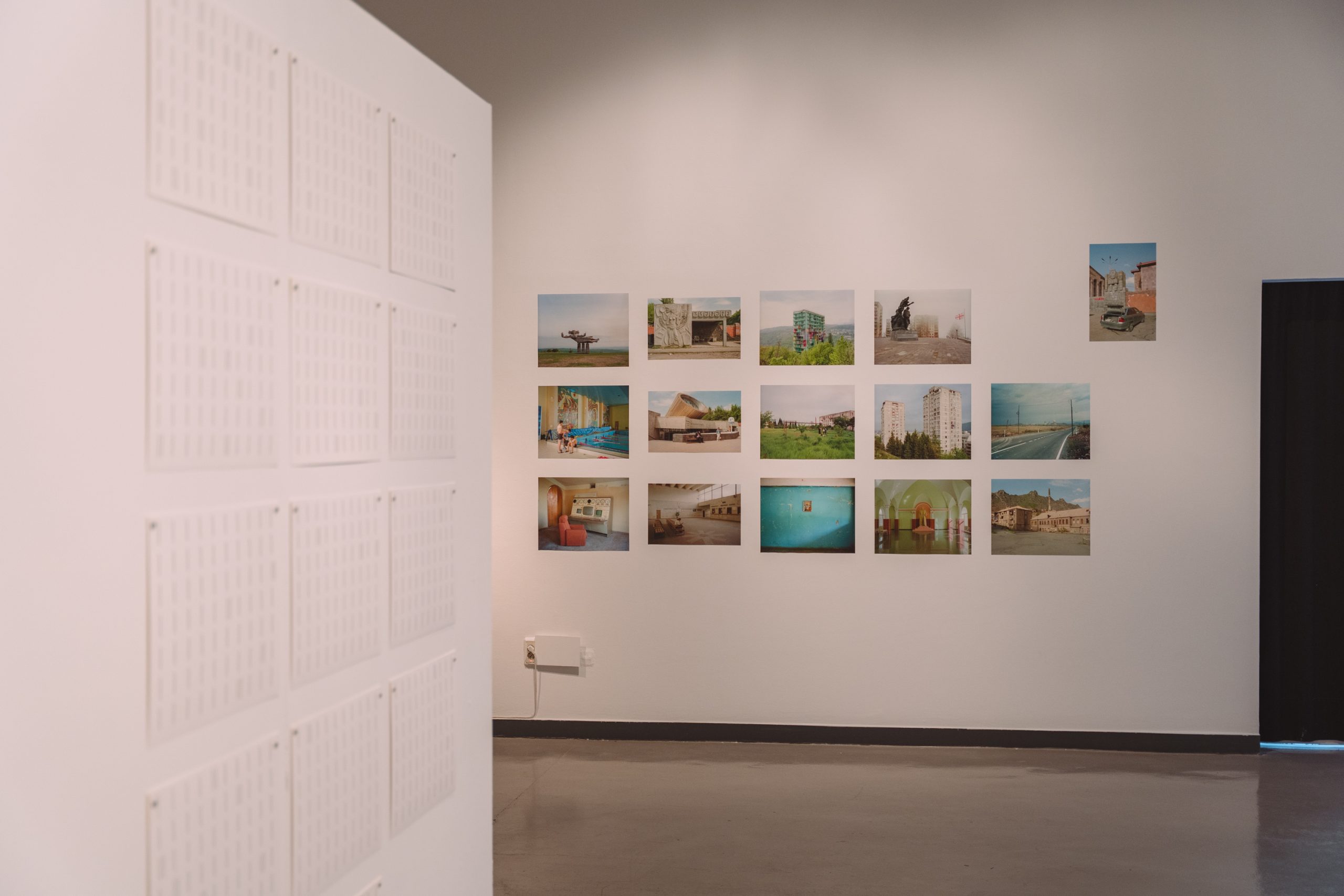
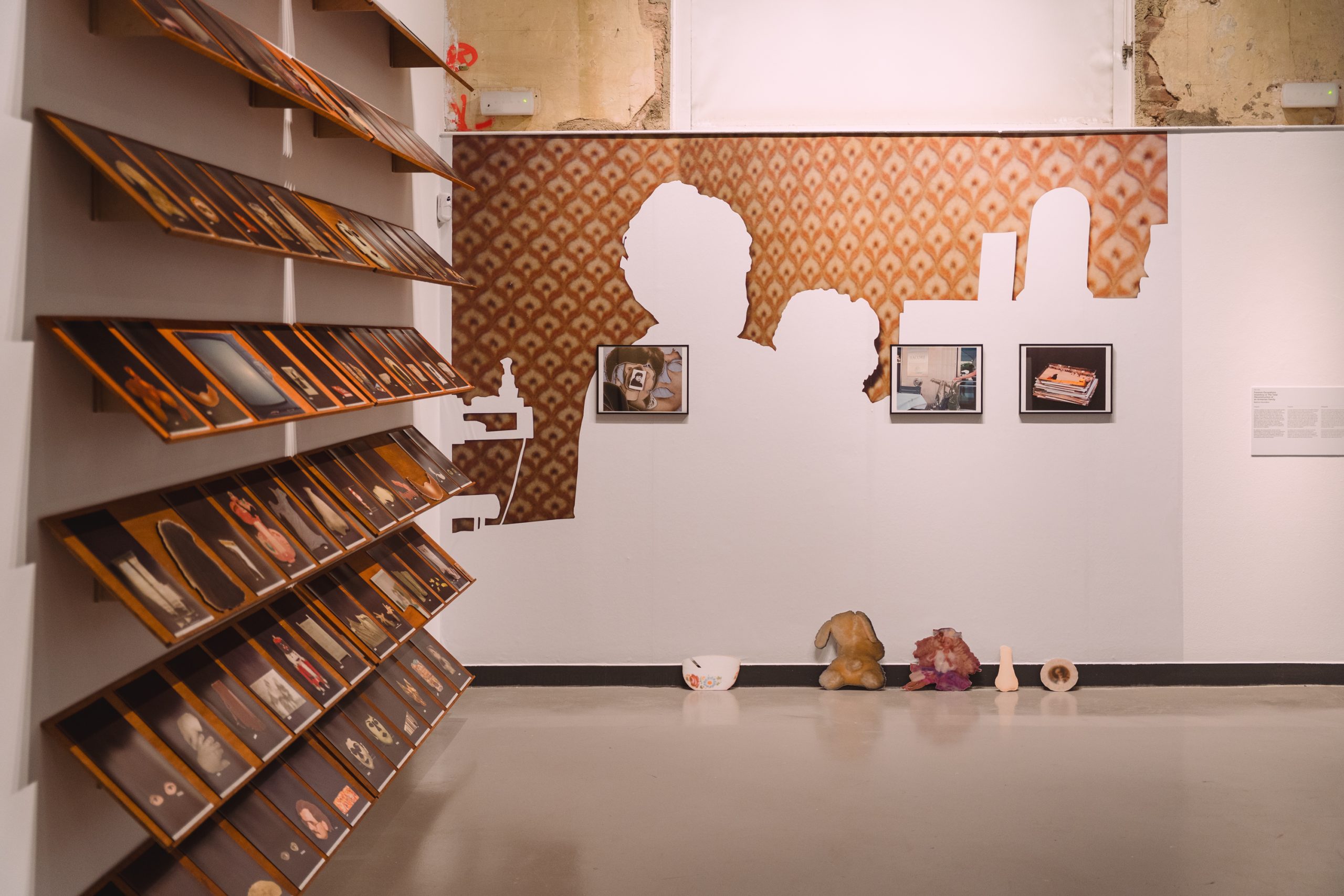
The Open Panoràmic is the festival’s open call that gives voice to national and international creators and becomes a meeting point between artists, programmers, and audiences. In this 9th edition, the projects selected in the categories of still image, audiovisual essay, and other formats shape an exhibition that reflects the vitality and diversity of contemporary visual culture.
Under the theme “Break. A New Visual Order”, Panoràmic invites us to stop and reflect on the acceleration and changes of our time—sociological, geopolitical, and technological—and how these have transformed the world of images. The Open Panoràmic exhibition thus becomes a space to question the present and imagine the possible futures of visual culture.
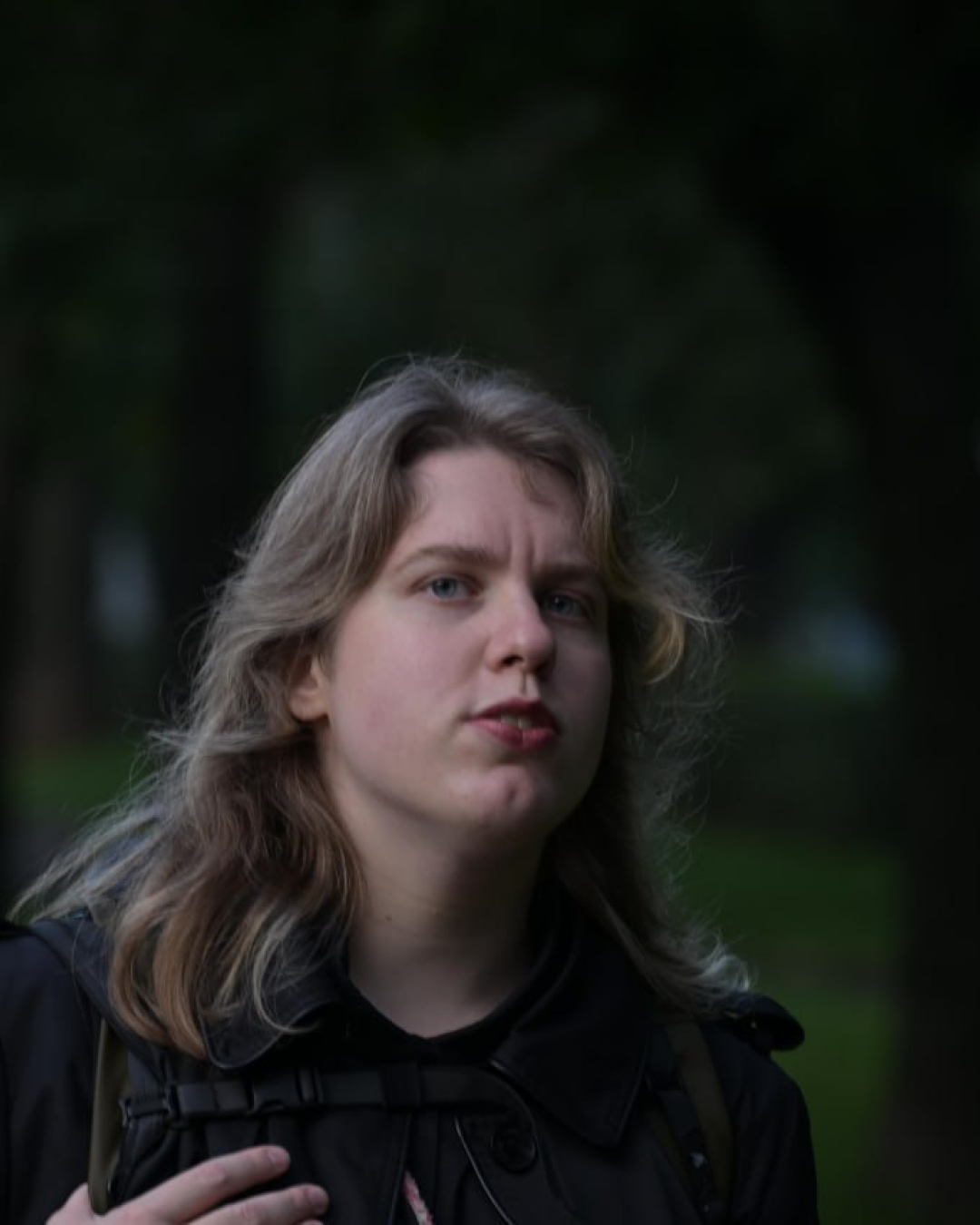
Marina Baldina
Marina Baldina (Bryansk, 1993) is an artist working primarily with video and photography, exploring the intersections between moving image, memory, and everyday experience. Trained as an engineer in her hometown, she later moved to Moscow, where she graduated from the New Film School in 2023 and completed the Free Workshops program at the Moscow Museum of Modern Art (MMOMA) in 2024. Her work has been shown at international festivals and venues including ADAF in Athens, Île Thélème Gallery in Moscow, and Superlative Gallery in Bali. She currently lives and works in Moscow, combining artistic practice with research into new visual languages in the field of contemporary digital art.
Laura Baigorri
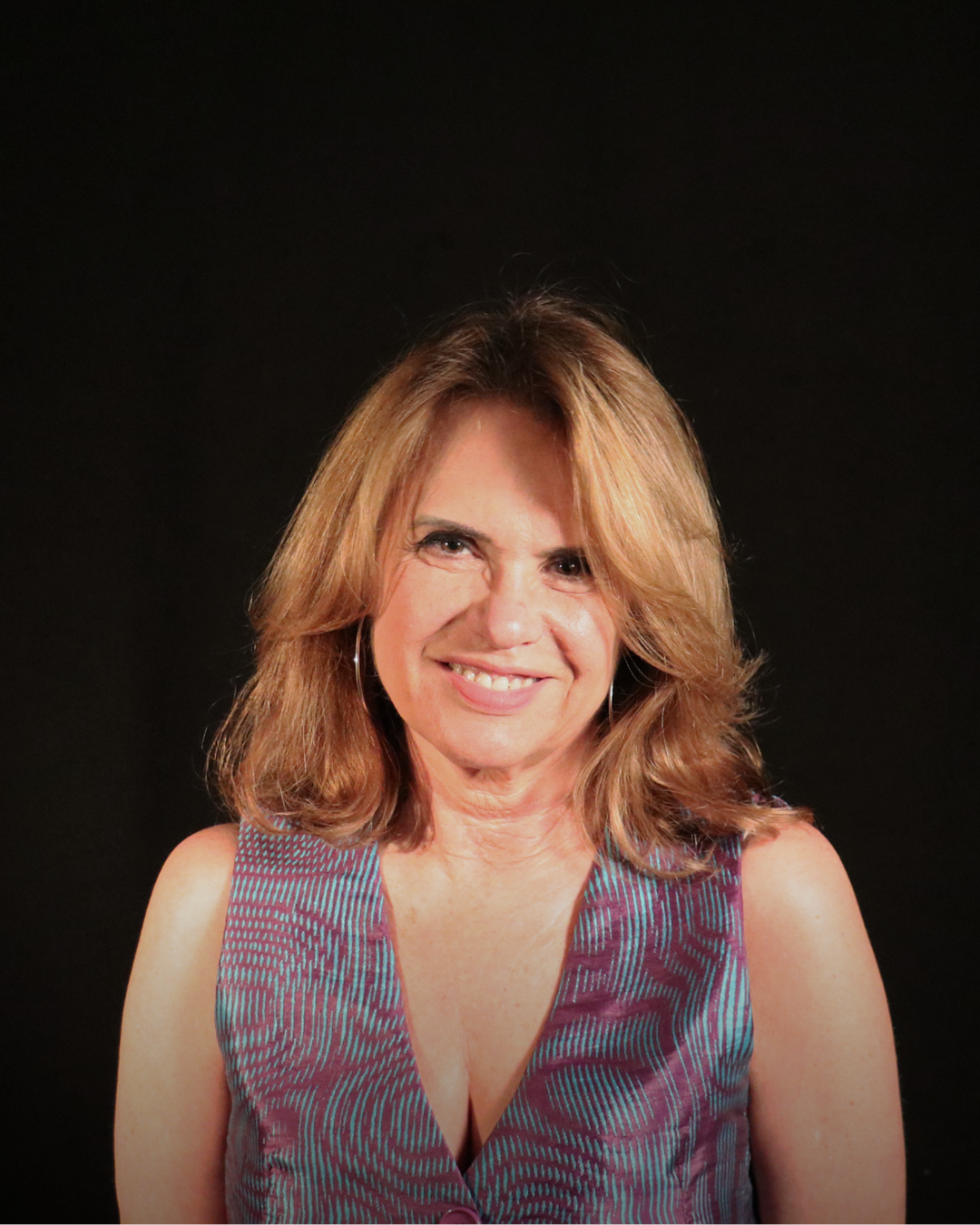
Laura Baigorri (Barcelona, 1960) is Professor of Media Art at the Faculty of Fine Arts, University of Barcelona. She is currently Principal Investigator of the research project CONNECTED BODIES III. Latent Spaces of AI in Audiovisual Identity Creation (2025–2029). She combines teaching with research, curating, and the production of artistic projects. Baigorri has published essays and articles on art and activism online, video art, and media art. She is the author of books such as Video in Latin America. A Critical History (2008) and Connected Bodies. Art, Identity, and Self-Representation in the Transmedia Society (2021). As a curator, she is noted for her work on Multiverso (2016–2019) at Fundación BBVA in Madrid, and Videoarde. Critical Video in Latin America and the Caribbean (2009–2015) for AECID and Instituto Cervantes.
Marta Bisbal Torres
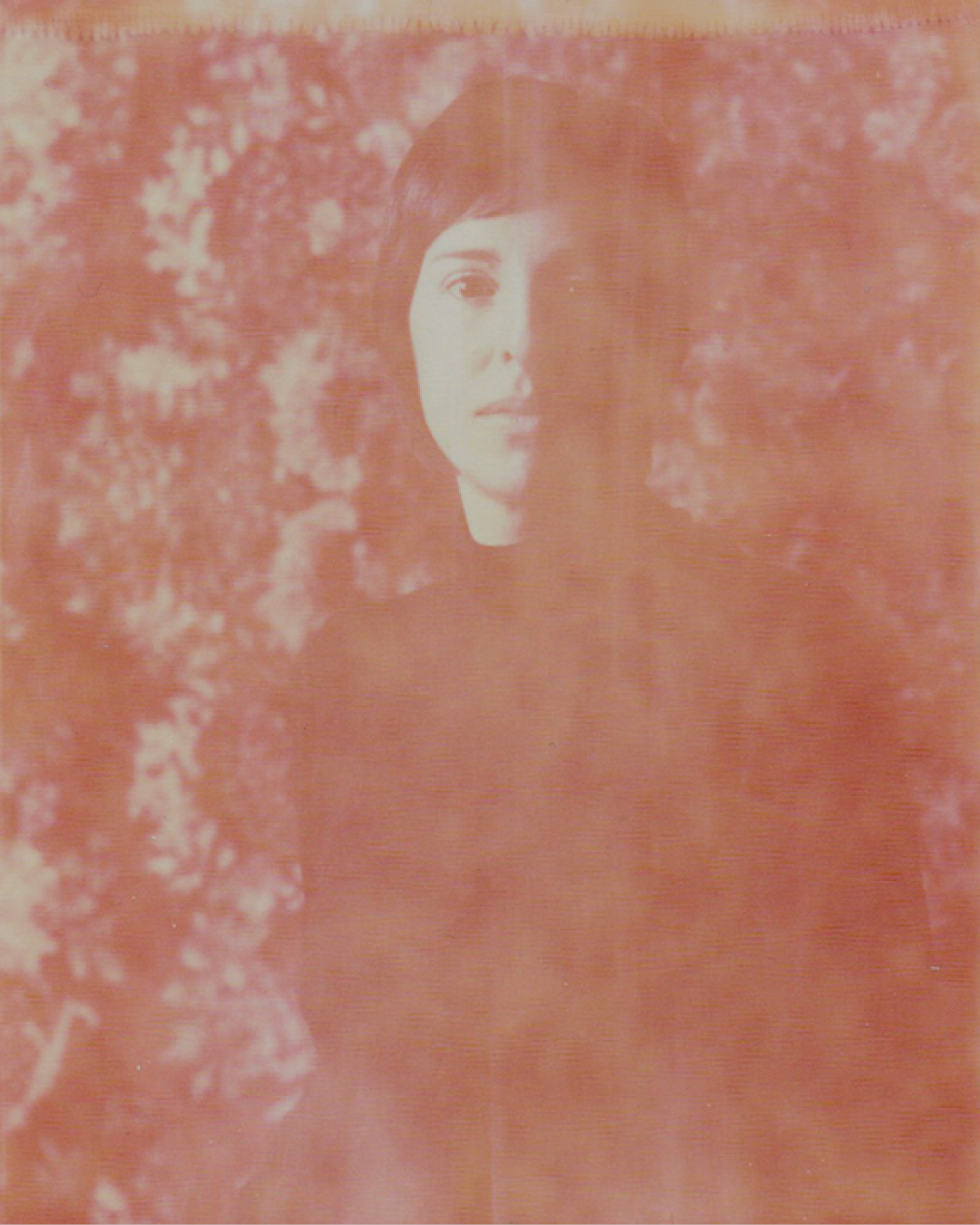
Marta Bisbal Torres (Mollerussa, 1974) is a visual artist whose projects unfold across installation, video, film, photography, and performative action. Her work explores territory, architecture, memory, and different ways of representing and inhabiting them, questioning both perception and the very act of looking.
She has exhibited at Casal Solleric (Palma, 2025), Bòlit. Centre d’Art Contemporani (Girona, 2025), Centre d’Art La Panera (Lleida, 2023), Fotonoviembre (Tenerife, 2023), Can Manyé (Alella, 2022), Centro Párraga (Murcia, 2021), Roca Umbert Fàbrica de les Arts (Granollers, 2020), Sala Muncunill (Terrassa, 2018), and Sala Kursala (Cádiz, 2016), among others. In 2022 she received the El Temps de les Arts Prize for Experimental Cinema.
Pilar Cruz
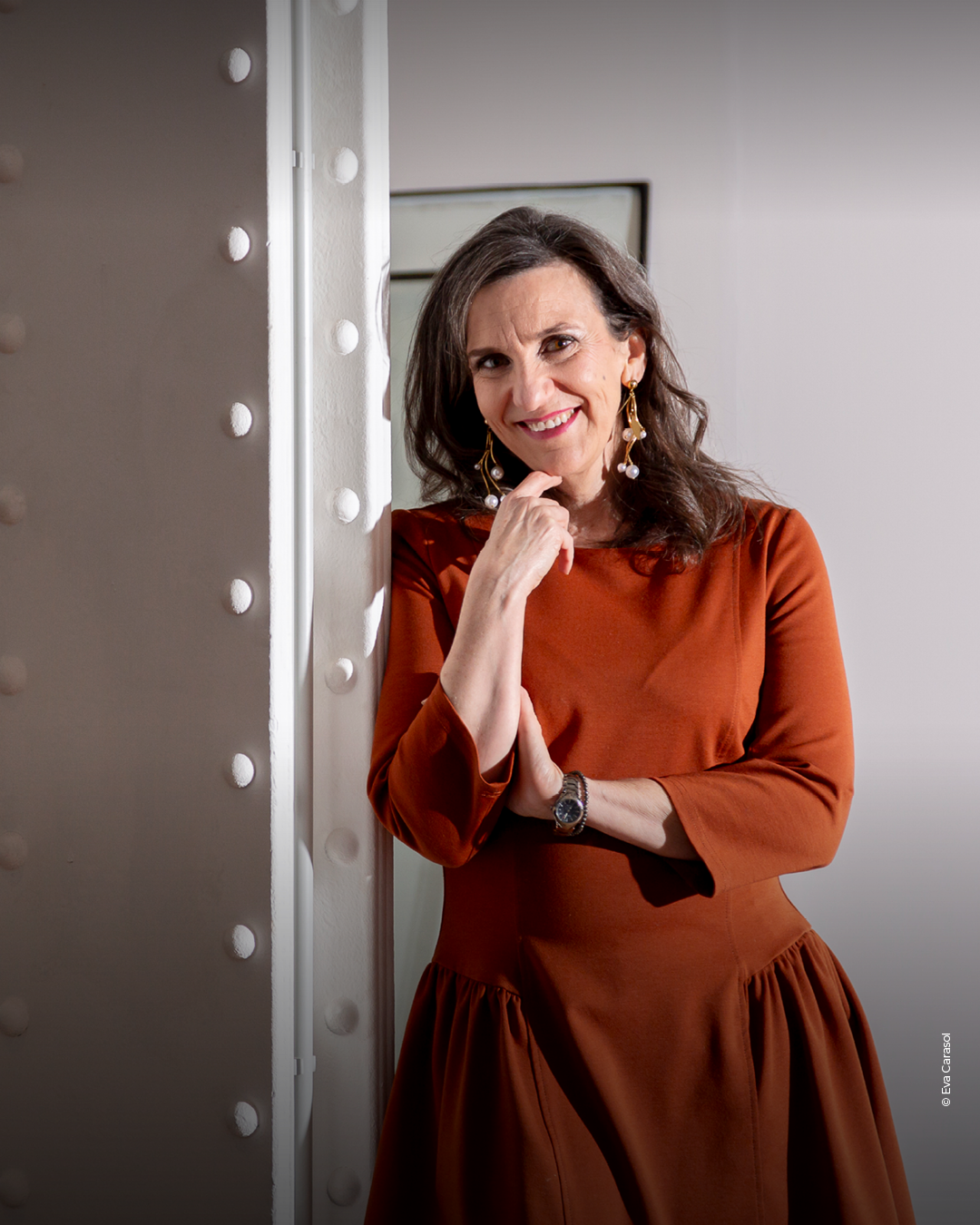
Pilar Cruz is an art historian, cultural manager, and independent curator. She has curated projects for institutions and festivals including ARCO Madrid, Fabra i Coats Art Centre, Fundació Miró (Espai 13), Centre d’Art Santa Mònica, CaixaForum, Panoràmic Festival, and Periferias Festival (Huesca), among others.
She was part of the curatorial team at La Capella (2021–2023) and was selected for the first edition of Komisario Berriak in Donostia. Internationally, she has curated projects with the National Archives of Malta and Museu de Arte Contemporânea de Serralves, and coordinated the Catalonia Pavilion at the 2023 Venice Architecture Biennale (Seguint el Peix). She currently directs the Art Nou Festival, coordinates the GRAF platform, and advises ICUB on the Temporals exhibition program. She also serves as a jury member and contributes as a critic in catalogues and art journals.
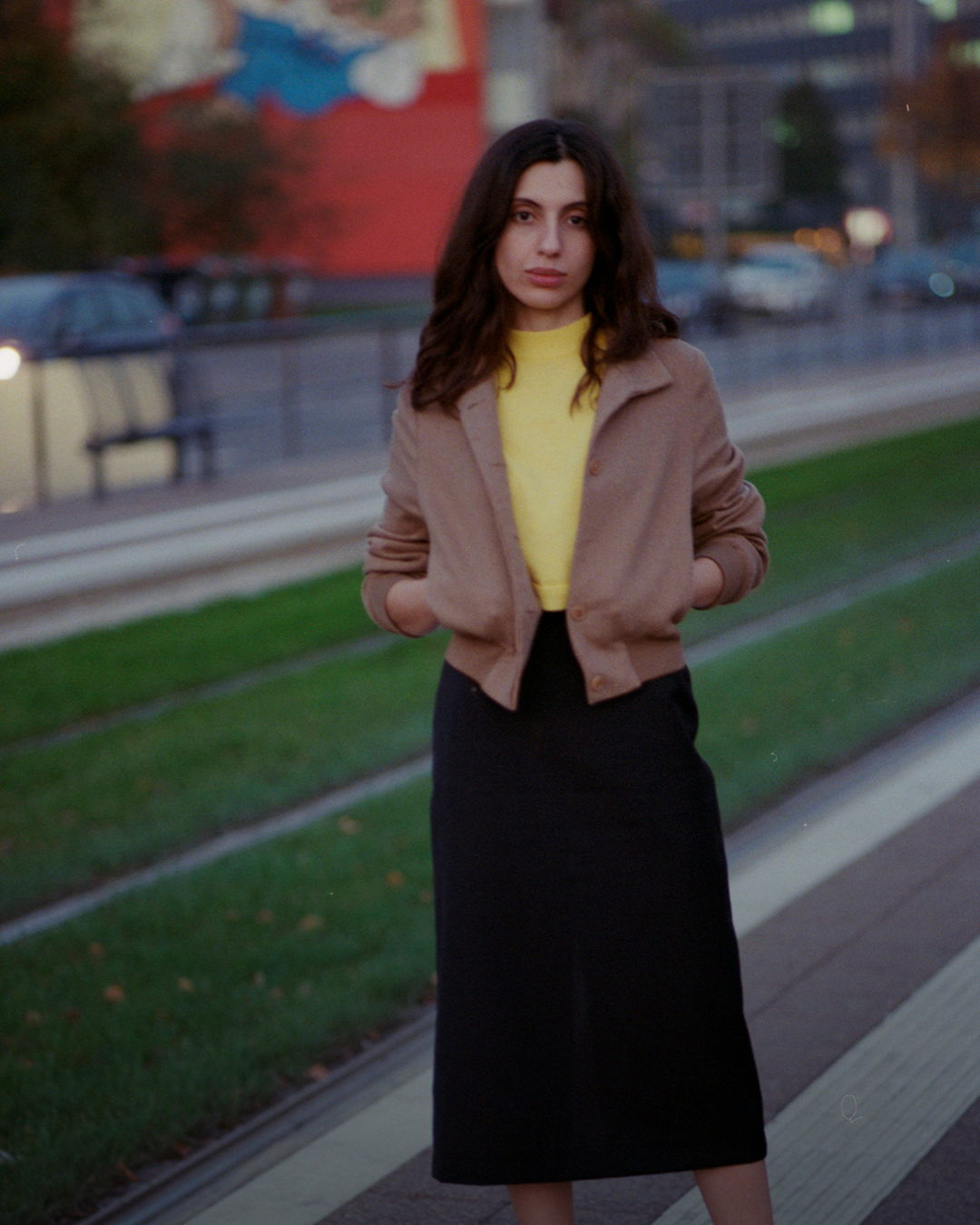
Beatrice Moumdjian
Based on Beatrice Moumdjian’s Slavic-West Asian, diasporic and migrant connection to the Eurasian continent – the so-called “Orient” – she deals with cultural continuities and their ruptures, borrowing from bureaucratic, archaeological, and reconstructive methods.
She was born in Sofia, People’s Republic Bulgaria into her mother’s Armenian family and moved with her in 1990 to the former East of Berlin. In 1994, she obtained German citizenship using a birth certificate secured through a bribe to the Bulgarian national intelligence service DS in the late 80s.
Beatrice lives and works in Berlin and has studied Fine and Media Art and Photography in Den Haag, Weimar and Leipzig. She had exhibited at institutions including nGbK Berlin (2019), KO-OP Gallery (2022), Goethe Institut Montréal (2021), Škuc Gallery (2024), Noorderlicht International Photo Festival (2021), (2025), LUMA Arles (2023), Museum of Fine Arts Leipzig (2019, 2025).
Mònica Porta
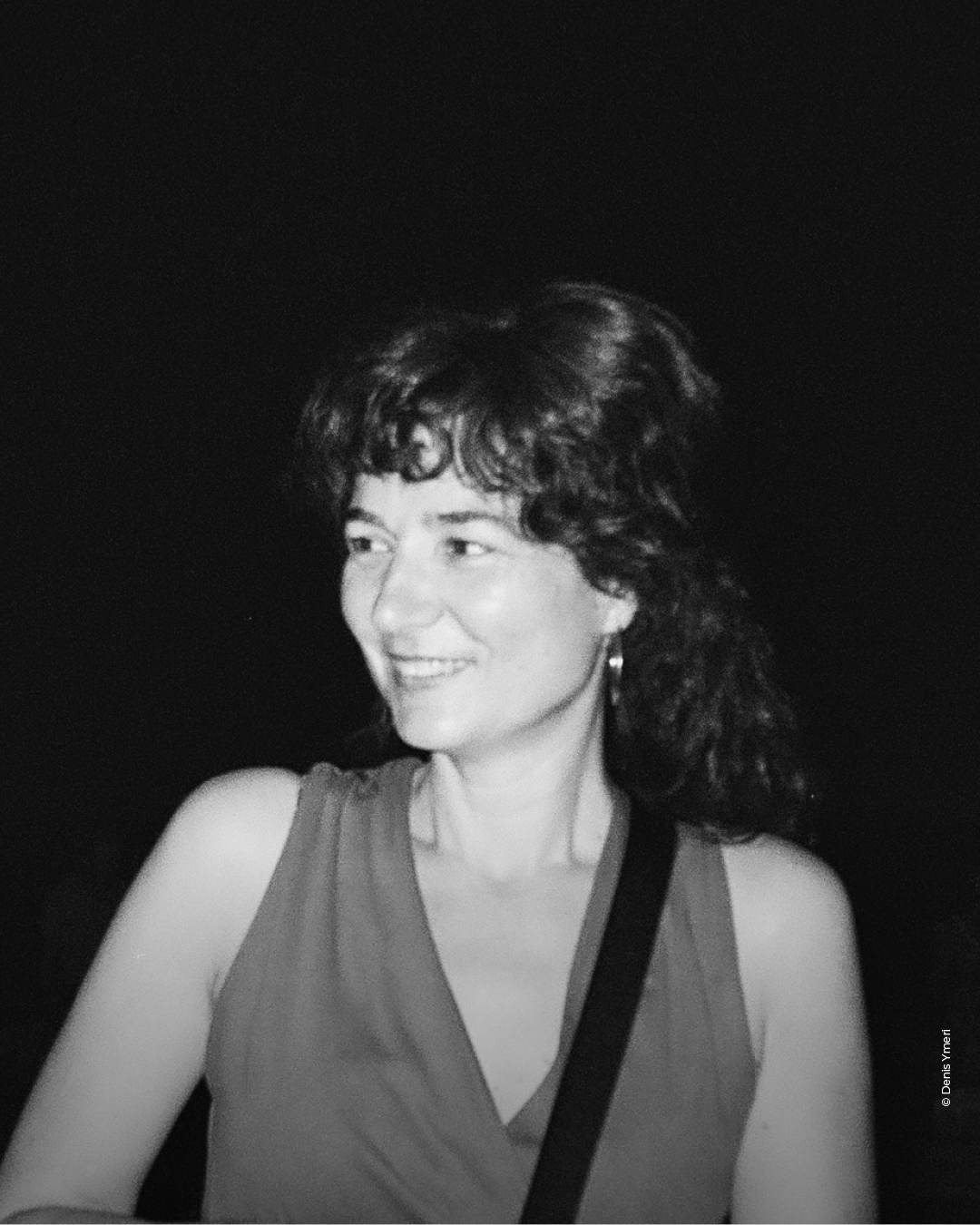
The artistic practice of Mònica Porta (Barcelona, 1972) is based on manual, repetitive, and accumulative processes that require very long periods of time. This slowness is not a limitation but a conscious choice: a way of pausing to observe and listen.
She holds degrees in Art History and Fine Arts, as well as a Master’s in Artistic Production and Research from the University of Barcelona. Recently she has received a grant for artistic creation from OSIC and support for creation from Espai d’Arts de Roca Umbert. Her work has been shown at Espai Zero at Fabra i Coats Contemporary Art Centre, Museu del Disseny de Barcelona-DHub, Can Felipa, and Lo Pati, among others. She has undertaken residencies at centres such as Roca Umbert, Casa Aymat, and Fabra i Coats.
Ignasi Prat Altimira
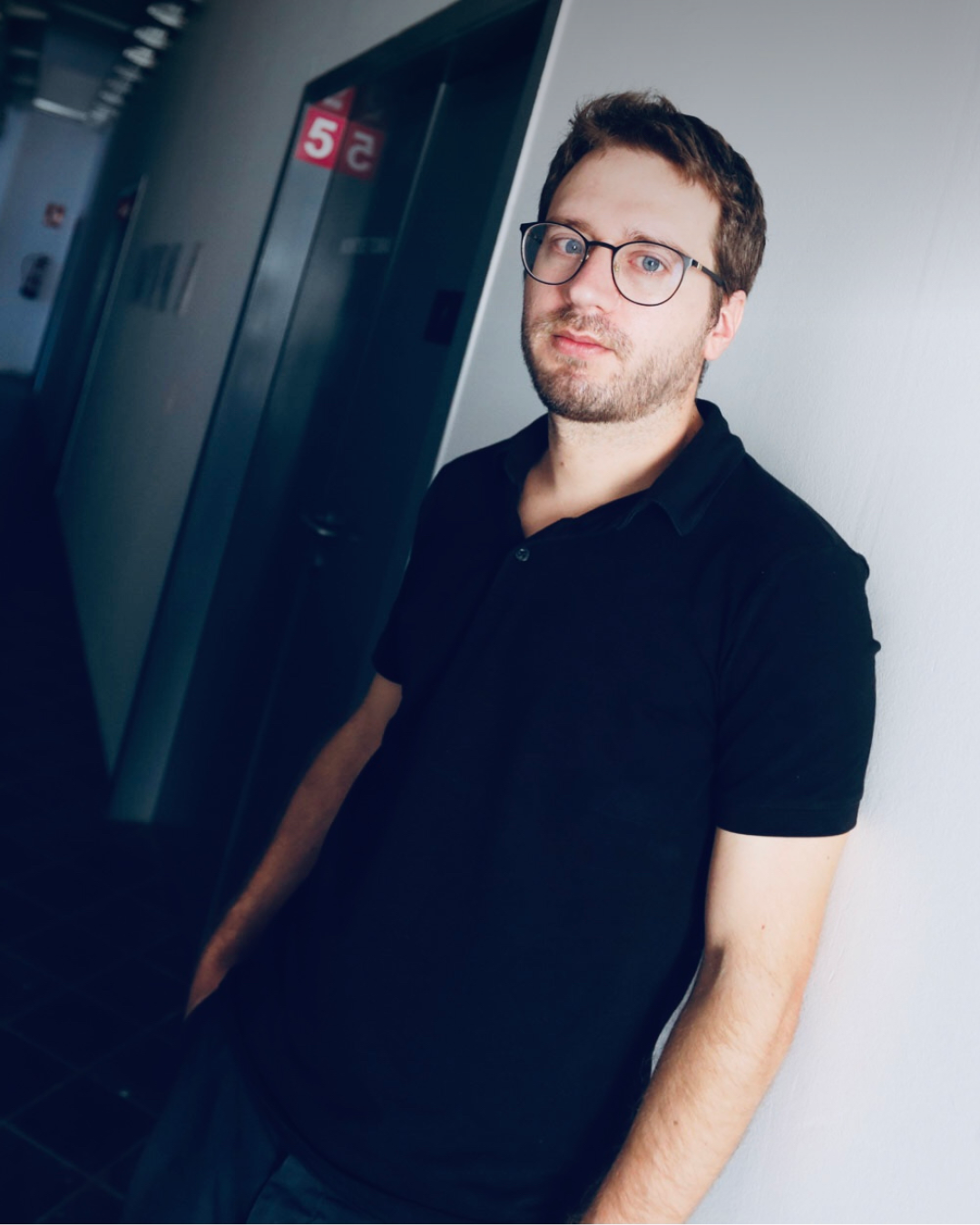
Ignasi Prat Altimira (Sant Esteve de Palautordera, 1981) uses the power of images to explore the imaginaries of political power, ranging from the historical and cultural tastes of Francoist elites to the visual identities of politicians on social media, as well as official portraiture in democracy.
He holds a degree in Photography, a BA in Fine Arts, and a PhD in Art and Cultural Studies. He has received grants such as BCN Crea, OSIC, La Capella-BCN Producció, VEGAP, and awards including the Biennal de Valls–Guasch Coranty, the Manacor City Prize, and a Special Mention in the research awards of the Consell Audiovisual de Catalunya. His work is part of collections such as the Pla Nacional de Fotografia, Fundació Ciutat de Valls, and Fundación Cristina Masaveu Peterson.
Benedetta Ristori
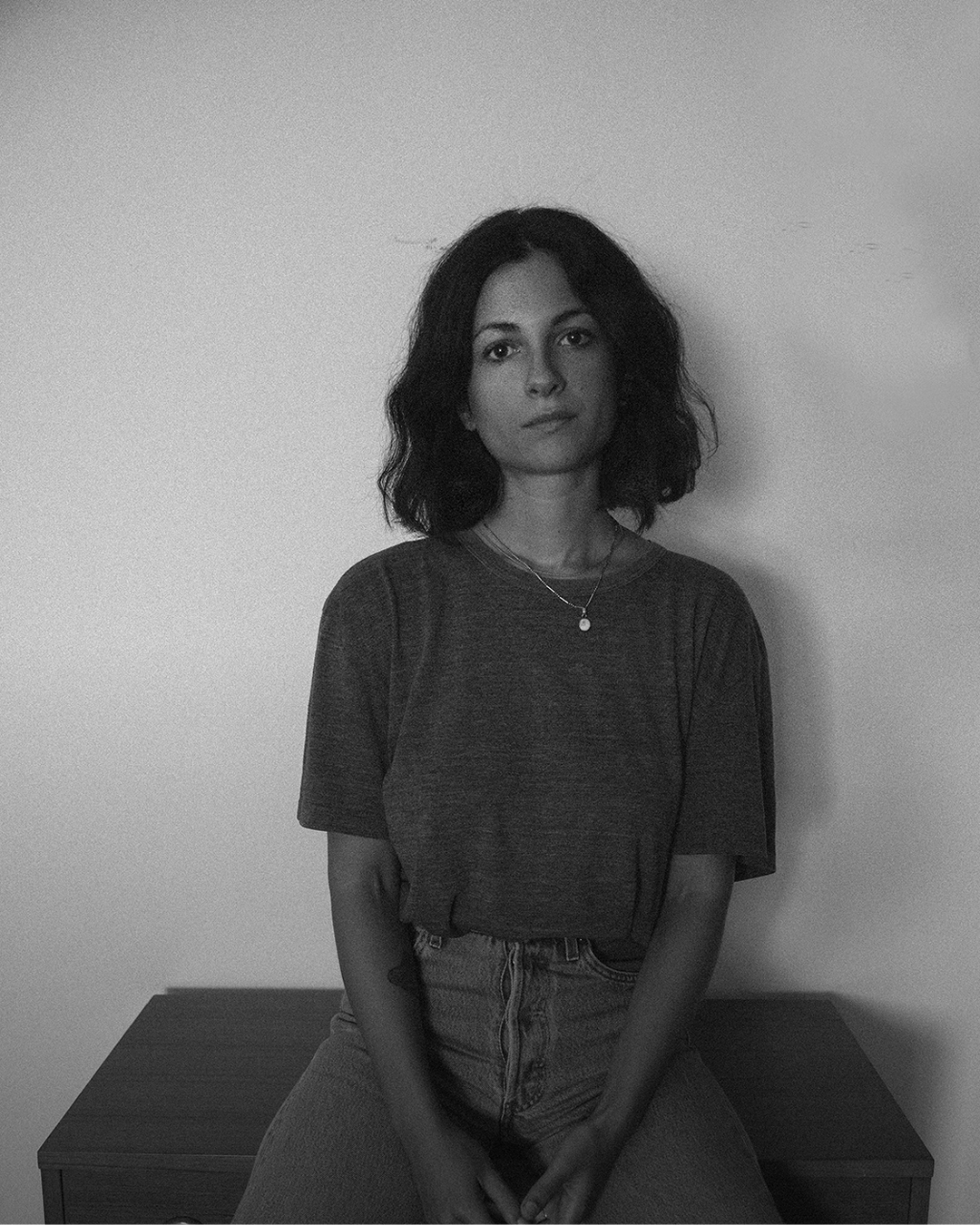
Benedetta Ristori is a visual artist whose photographic work often focuses on peripheral geographies—both literal and symbolic—where individual experience intersects with broader systems of history, care, and social change.
Working mainly in portrait and landscape photography, Ristori’s practice is grounded in long-term research. Notable projects include East (2015–2018), self-published as a book in 2018; Lay Off (2015–ongoing); Take Care (2018–2020); and You Don’t Need Soil To Grow (2021–2023), published by The Eriskay Connection in 2024. Her work has been exhibited at major national and international venues such as Scuderie del Quirinale, Triennale Milano, Palazzo delle Esposizioni, Galerie Binome, Plato Gallery, and Si Fest. Her photography has appeared in publications including La Repubblica, VICE, Bloomberg Businessweek, Die Zeit, Forbes, Document Journal, and Vogue Italia.
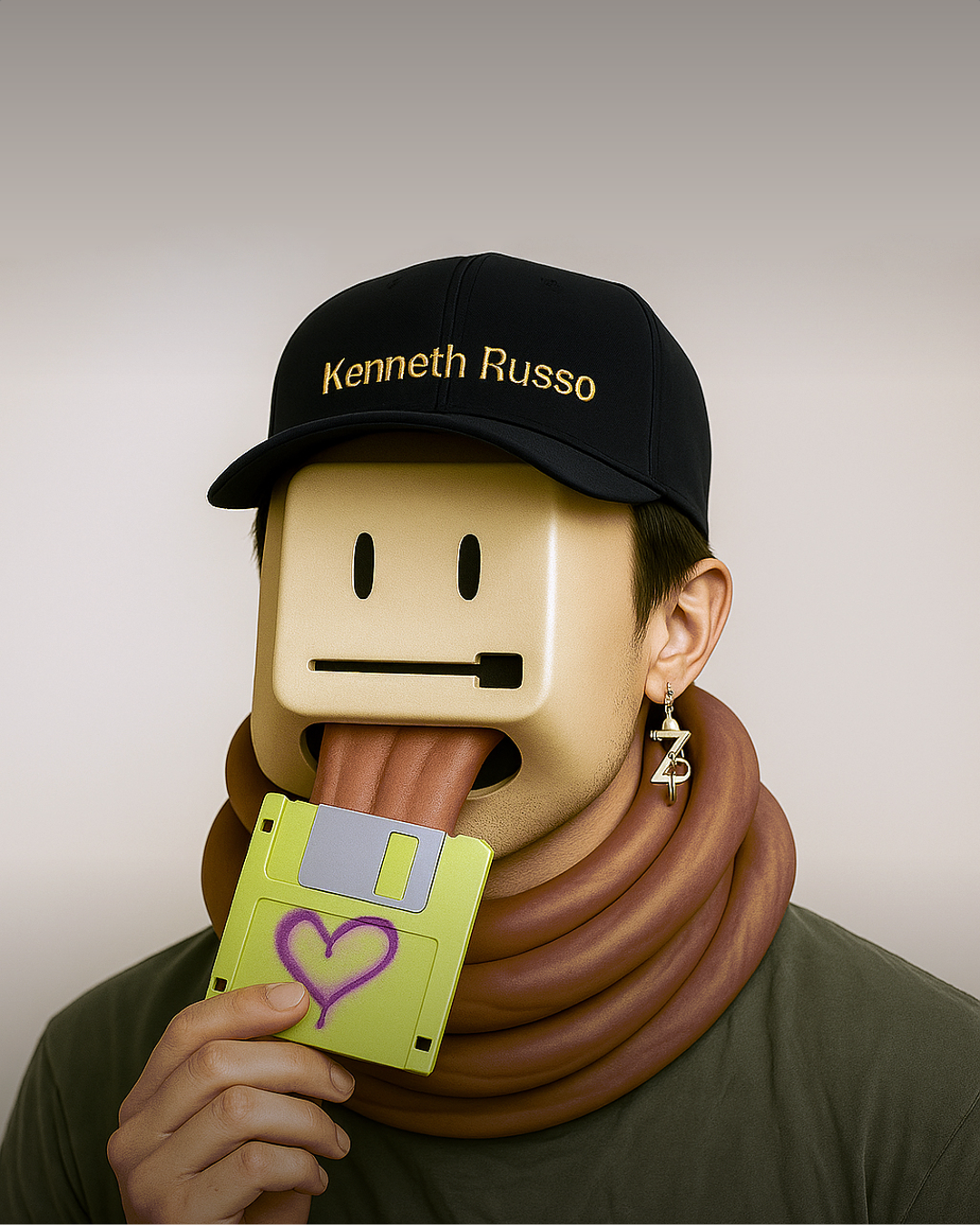
Kenneth Russo
Kenneth Russo is a visual artist and researcher, holding a BA in Fine Arts from UB, a Master’s in 3D Animation from UPF, and a PhD in Communication from UdG. His work focuses on interactive communication systems, socially oriented design, the ethics of virtual worlds, and the speculative exploration of artificial intelligence. Russo’s practice seeks to establish a critical dialogue with the viewer, treating technology as a medium that interrogates itself while reshaping perception and constructing new meanings.
His work has been presented at numerous national and international venues and festivals, including Arts Santa Mònica, Fundació Godia, Loop Festival, CCCB, La Capella, FIB Art, Centro Buñuel Calanda, DAHJ Gallery, Digital Graffiti Festival (Florida), Rome Art Week 2024, AI International Film Festival 2024 (San Diego), Korea International AI Film Festival 2024, SAIFF 2025 (Seattle), Lugano Film Fest, and ARE 2025 Wire FilmEU (Sofia).
Polina Schneider
Polina Schneider was born in Saint Petersburg during the Perestroika years. Her upbringing, marked by the coexistence of multiple languages, cultures, and religions, profoundly shaped her worldview, a perspective that permeates her entire photographic practice. Her work focuses on capturing contrasts and processes that explore the search for identity, as well as environmental, cultural, and political themes. Her images combine aesthetic sensitivity with strong social commitment, revealing tensions between the individual and their environment.
She has exhibited internationally in Europe and the United States. Additionally, she is co-founder of two photography collectives: C22, led by women and focused on environmental photography, and 20proKuadrat, which promotes art in public spaces in Hannover.